

Why your AC system might be freezing up.
When an air conditioner freezes up, it can feel like the system has simply stopped trying to cool your home, especially during a humid Rhode Island summer. But a frozen AC almost always comes down to one thing: the system isn’t getting the warm airflow it needs. Without enough air moving across the evaporator coil, the coil becomes too cold, moisture freezes, and ice begins to spread through the unit. It’s a common issue in older homes across Rhode Island and southeastern Massachusetts, and once you understand what’s happening inside the system, the cause becomes much clearer.
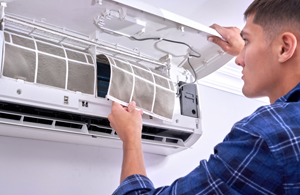
What typically causes a freeze-up.
In many cases, the problem starts with something simple, like a dirty air filter or dust covered coils that prevent warm air from reaching the system. Sometimes the blower fan isn’t pushing enough air, or a section of ductwork has become blocked or collapsed. Moisture can also play a role – a clogged drain line can cause water to back up and freeze around the coil. And if the system is low on refrigerant because of a leak, the pressure drops and the coil can ice over quickly. Each of these issues limits airflow in its own way, and once airflow drops, freezing becomes almost unavoidable.
How to tell what kind of problem you have.
The sounds your system makes can offer helpful clues. A refrigerant leak often creates a hissing or whistling noise and tends to produce ice rapidly. A mechanical issue, on the other hand, usually comes with grinding, rattling, or clanging – signs that a fan blade, belt, or motor isn’t operating the way it should. Either way, catching these symptoms early can prevent a bigger repair down the road.
Warning signs to watch for.
Before an AC fully freezes, it usually gives off a few hints: weaker airflow than normal, warmer air coming from the vents, ice forming on the refrigerant lines outside, or a noticeable rise in indoor humidity. Many homeowners also notice the system running constantly without actually cooling the house – a classic sign that the coil is already starting to ice up.
What to do if your AC freezes.
If your AC does freeze, the first step is to turn the system off and switch the thermostat to Fan mode. This helps melt the ice without forcing the system to work harder. Once everything has thawed, check the basics: a clean filter, open vents, and a clear outdoor unit. After that, restart the system and monitor it. If it freezes again, the issue is likely beyond a simple DIY fix and needs a technician’s attention.
DIY fixes vs. professional repairs.
You can often handle the small stuff yourself – replacing a filter, clearing vents or removing debris around the outdoor unit. But anything involving refrigerant, electrical components or mechanical parts should be left to a professional. Regular maintenance goes a long way in preventing AC freeze ups, especially in coastal areas in Rhode Island and Massachusetts, where humidity can put extra strain on cooling systems. Changing filters every 60–90 days, keeping vents open, clearing the outdoor unit, and scheduling annual tune ups all help keep your AC running smoothly.
Need AC help in RI and southeastern MA?
If your AC is freezing or showing early signs that it might, Wood’s Heating Service is here to help keep your home cool, comfortable, and running the way it should.
Sources: hvac.com