


When a major winter storm hits Rhode Island and southeastern Massachusetts, it can put extra strain on your home, vehicle and daily routine. Taking a few preventative measures before bad weather arrives can help you avoid common cold-weather problems, from frozen pipes and power outages to hazardous driving conditions.
Use this three-step guide to prepare before the storm, stay safe while it’s happening, and recover once conditions improve.
Step 1: Get ready before the storm.
The best time to prepare is before conditions start to worsen.
Stay on top of weather alerts
- Monitor local forecasts regularly.
- Understand the difference between a winter weather watch and a winter weather warning.
- Review your family’s emergency plan ahead of time.
Check your home
- Install or inspect storm windows.
- Clear leaves and debris from gutters.
- Test smoke and carbon monoxide detectors.
- Verify heating fuel levels.
- Schedule heating system and chimney inspections if needed.
Prepare your vehicle
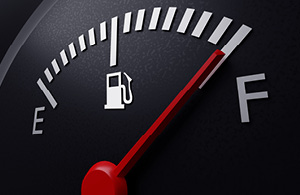
- Fill the gas tank.
- Check antifreeze levels.
- Move vehicles to a protected location when possible.
- Pack an emergency kit with water, snacks, a flashlight, warm clothing, a first aid kit, rock salt, a shovel and tire chains.
Gather emergency supplies
Make sure you have:
- Water (one gallon per person per day)
- Nonperishable food
- Medications
- Flashlights
- Batteries
- NOAA weather radio
- Fire extinguisher
- Rock salt or ice melt
- Snow shovel or snow-removal equipment
Step 2: Stay safe during the storm.
Once winter weather arrives, focus on staying warm and avoiding unnecessary risks.
Limit travel
- Stay home whenever possible.
- Continue checking weather reports and alerts.
- Only travel if absolutely necessary.
Help prevent frozen pipes
- Let faucets drip slightly during extreme cold.
- Open cabinet doors beneath sinks to allow warmer air to circulate.
- Know where your home’s main water shutoff valve is located.
Prepare for outages
- Keep flashlights and batteries accessible.
- Never use a generator indoors, including garages or basements.
- Never leave burning candles unattended.
Protect your pets
- Bring pets indoors whenever possible.
- Ensure they have access to fresh food and water.
- Provide warm, sheltered spaces away from the cold.
Step 3: Take precautions after the storm.
Even after the snow stops falling, winter hazards can remain.
Be careful outdoors
- Watch for icy driveways, sidewalks, and roads.
- Clear snow carefully and avoid overexertion.
- Take breaks while shoveling.
- Stop immediately if you experience dizziness, nausea, or shortness of breath.
Dress for the conditions
- Wear warm layers.
- Cover exposed skin.
- Take steps to prevent frostbite and hypothermia.
A little preparation goes a long way.
Winter weather can be unpredictable in RI and MA, but having a plan helps make storm-related challenges more manageable. By preparing your home, stocking essential supplies and knowing what precautions to take during and after severe weather, you’ll be better equipped to handle whatever winter brings.
Source: National Weather Service